Anime Like Ajin OVA
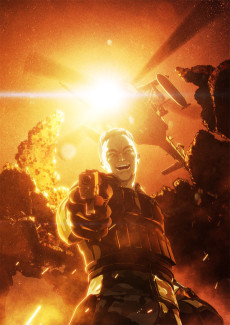
This is the stuff the TV cut had to skip, handed to you in three cold, surgical pieces. "The Nakamura Shinya Incident" finally puts a face on the phrase the Ajin Control Committee whispers like a curse, the country's first Ajin and the worst-case scenario everyone else only references. Then "Satou: Zero" does the thing you actually wanted, peeling back the man before the hat and the grin, before he decided killing was the best game in the world. Polygon's CG still moves like nothing else in horror anime, that stiff-then-explosive rhythm that makes a black ghost unfurling out of a body feel wrong in the good way. It came bundled with volumes eight, nine and ten, which means it was built for readers, not tourists, and it shows. If you finished the series wondering how Satou got like that, this is the receipt.
SYNOPSIS
Immortal beings called Ajin have existed in human society undetected for centuries, but their discovery threatens everything. This collection of three episodes pulls back the curtain on the shadowy history behind humanity's greatest secret, revealing how the first Ajin was identified and what that discovery cost the world. The Nakamura Shinya Incident exposes the classified case that forced governments to acknowledge the impossible: a person who cannot die. As agencies scramble to contain the truth, the narrative spirals into darker territory with each revelation. Between these revelations sits a brief intermission that shifts perspective, followed by a deep dive into Satou's origins. Zero strips away the composed villain facade to show how someone becomes willing to destroy civilization. These episodes operate as a prequel and companion piece to the main series, offering crucial context for understanding the ideological war between immortals and mortals. Expect psychological tension layered beneath the action, as each episode unravels another piece of the conspiracy. This is lore for those already invested in the conflict, deepening the mythology with hard answers about where everything began.