Anime Like AMAIM Warrior at the Borderline Part 2
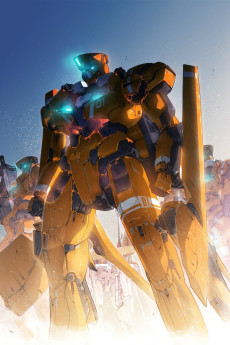
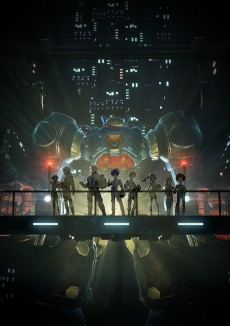
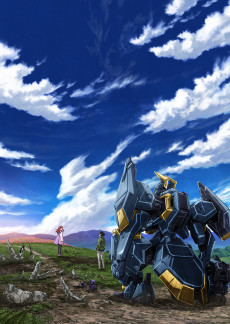
This is the cour where the show stops teasing and asks you to sit in the occupation. Amou and Gai are still out there in a Kenbu he built with his own hands, but the fights matter less than who is signing what treaty with which of the four blocs, and the series would rather hold on a tense room than blow anything up. It moves slow, sometimes glacially, and the cast can be hard to root for. But if you came for the model kit brochure and stayed for a Japan carved into someone else's front line, the payoff is here. Reviewers keep reaching for Gundam, and honestly that comparison is the whole pitch: a kid, an AI, a homemade machine, and a country that is not going to be handed back. Completionists who cleared cour one already know they are finishing this.
SYNOPSIS
The occupation of Japan continues as the four economic blocs tighten their grip on the fractured nation. Amou Shiiba has already learned what it means to resist, piloting the custom mecha Kenbu alongside his AI partner Gai in a fight that seems impossible to win. But resistance breeds response, and the forces arrayed against him grow more sophisticated, more ruthless. As Amou pushes deeper into the conflict, the line between personal conviction and military necessity blurs. His homemade machine must contend with cutting-edge weapons designed by the world's superpowers, while the people he fights for remain caught between idealism and survival. Gai's presence raises its own questions about what artificial consciousness means in a war for human freedom. Second-season mecha action stays grounded in the cost of rebellion, where each victory feels hollow and every loss cuts deeper than the last. This is where the real test begins.