Anime Like AOTU Shijie
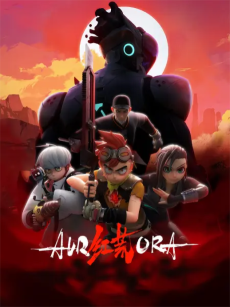
It sneaks up on you. You start watching for the tournament gimmick and end up memorizing a roster of freaks you'd die for. Jin runs on pure sunshine and zero self-preservation, Grey answers in about four words an episode and still says everything, An Mixiu declaims about chivalry at people actively trying to kill him, and Lei Shi swaggers in with his crew like the rules were written as a suggestion. Kaisar's whole existence is a reminder that the Contest isn't a game show, it's a god's rigged ladder and someone is always standing on your fingers. The chibi-to-full-scale glow-up is real, and watching the art catch up to the ambition mid-run is half the fun. This is why the fandom never shut up about it, and why they were right.
SYNOPSIS
A divine being shaped AOTU World and appointed seven Oracles to govern it according to celestial law. Society is rigidly stratified: wealth and poverty, freedom and bondage, joy and suffering all exist by divine design. The people have no choice but to accept their ordained stations, powerless to change what has been written. Then comes the AOTU Contest, a competition that offers mortals a genuine path to rewrite their destinies. Contestants are granted unique supernatural abilities and must rely on strategy, courage, and raw power to outmatch their opponents. Victory means transcendence: the champion becomes the world's new ruler, reshaping society itself according to their will. The arena becomes a crucible where the downtrodden can finally challenge the established order. Fighters from every corner of AOTU World clash, each carrying the weight of their circumstances and dreams. As the tournament progresses, the line between individual ambition and the struggle for systemic change blurs. The contest asks a fundamental question: can one person's triumph genuinely liberate an entire world, or does the cycle simply continue under a different master?