Anime Like Astro Boy
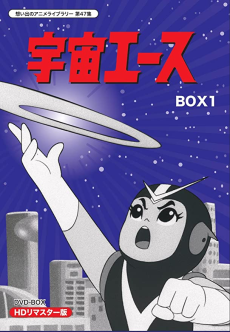
This is the show that starts with a father looking at the boy he built and deciding he isn't good enough, and it never really lets you forget it. Astro is not a hero because he's strong, he's a hero because Tenma threw him on the scrap heap for the crime of not growing up, and Ochanomizu picked him up anyway and fought to have robots recognized as something more than property. Watch it in black and white and you can see Tezuka's crew inventing the whole vocabulary of TV anime in real time: held cels, three-frame walks, the same rocket-launch footage burned into your memory by episode forty because that was the only way to make a weekly show on that budget. Those limits become style, all stark contrast and stillness broken by one perfect motion. Nearly 200 episodes of a small robot doing right by a world that keeps asking whether he counts. The theme song still plays in your head unprompted, and so does the look on Tenma's face.
SYNOPSIS
A grief-stricken scientist builds a robot boy to fill the void left by his deceased son, only to abandon the creation when he realizes no machine can truly replace what he's lost. Rescued by a kind professor who champions robot rights, the discarded android gets a second chance at purpose. Renamed Astro Boy, he becomes Japan's mechanical guardian, powered by incredible strength and extraordinary abilities that make him nearly unstoppable against any threat. But Astro's true mission extends beyond fighting villains and monsters. In a world where robots are increasingly seen as tools or disposable objects, he carries the weight of proving that artificial life deserves respect and compassion. Every battle becomes a chance to show humanity that machines built with good intentions can be forces for genuine good. Caught between his creator's rejection and a mentor's faith in him, Astro must navigate what it means to have a heart, even if his is artificial. The series balances explosive action with genuine emotional stakes, asking what makes someone worthy of love and belonging.