Anime Like Backlight
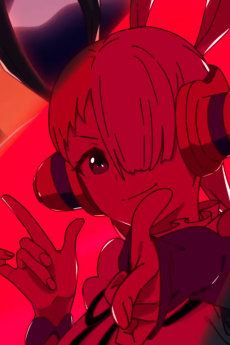
Four minutes long and it still rearranges your ribcage. Gyakkou is the Uta track where the pop idol act burns off and something harder shows up underneath, and Ado sings it like she's wrestling the song to the ground, that whiplash from a shredded growl into a clean ringing top note that basically nobody else is pulling off. It's the cut fans reach for first off Uta's Songs, the One Piece Film: Red highlight that outgrew the movie it came from. And the animation is built around the vocal, not laid over it, so every gear change in Ado's delivery gets answered on screen instead of just decorated. That's why it works as a standalone piece and not a promo clip. You'll watch it once for the song, then again with the volume at a level your neighbors will remember.
SYNOPSIS
A single luminous moment unfolds as a young woman stands at the threshold between two worlds. Bathed in harsh, unforgiving light, she confronts something that has been chasing her, something that mirrors her own darkness. The song "Gyakkou" pulses through the frame, its intensity matching the raw emotion etched across her face. What begins as a standoff becomes something more intimate: a reckoning with the parts of herself she cannot escape. The visuals shift and fracture, reality bending to match the chaos of her inner world. Every shadow feels deliberate, every beam of light a weapon or a lifeline. This isn't a narrative that explains itself. Instead, it demands you sit with the discomfort, the longing, the defiance radiating from the screen. The music carries what dialogue cannot. For viewers drawn to experimental storytelling and visual poetry, this brief piece distills an entire emotional journey into its most concentrated form. It lingers after the final note fades.