Anime Like Blue Literature Series
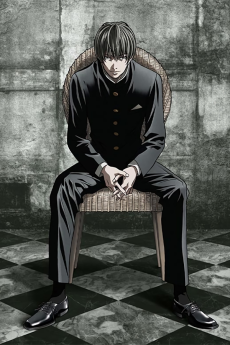
This is the one that makes you put your phone down and sit in the dark afterward. Yozo Oba's four-episode slide through No Longer Human is the anchor, and Takeshi Obata's character designs give that self-loathing a face too handsome to look away from. Kokoro gets told twice, once from each side of the same betrayal, and the second pass rearranges everything you decided in the first. Then Hell Screen drops Yoshihide watching a carriage burn to get his painting right, and Sakuraguchi's bandit hauling severed heads to a woman under the cherry blossoms, and you realize the anthology isn't collecting sad stories, it's collecting the exact moment a person stops being able to live with themselves. Purists will note Kokoro takes real liberties with Soseki. Watch it anyway, then go read the books, which is the whole point.
SYNOPSIS
Six stories from Japan's literary canon arrive as animated drama, each one a window into human despair and the fractured minds behind it. A teenager spirals into addiction and isolation, unable to connect with the world around him. A man confronts a secret that poisons his marriage and haunts his conscience. An artist becomes obsessed with capturing suffering itself, pushing past sanity to realize his vision. A spider offers salvation to a murderer falling through hell. A journey through a cherry forest becomes a descent into madness and temptation. What connects these tales is their unflinching gaze at psychological breakdown. Characters wrestle with shame, alienation, guilt, and the possibility that redemption might be impossible. The animation style shifts with each story, matching the tone of the source material: sometimes claustrophobic and modern, sometimes dreamlike and gothic. This is literature that refuses easy comfort. If you're drawn to character studies that sit with moral ambiguity, stories that show how minds fracture under pressure, and narratives that linger in darkness without promising light, these six chapters will find you.