Anime Like Briar-Rose or the Sleeping Beauty
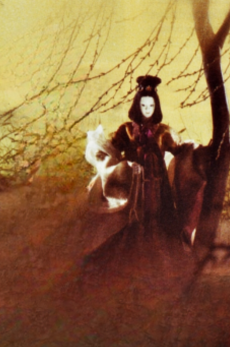
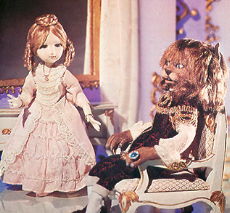
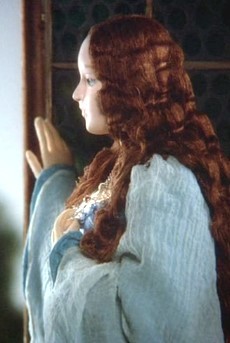
It takes the one fairy tale everyone thinks they know and refuses to let you sleep through it. The spindle scene lands, and then the story keeps going where the storybook stops: our heroine stays awake, and what she finds is not a dragon or a hedge of thorns but a man with a grudge and a history with her mother. That reframing turns the curse from a plot device into a family wound, and it's the reason people come out of this quieter than they went in. The animation is the other half of the argument, gorgeous enough to be the whole reason to press play, and it does the heavy lifting in the moments nobody says anything. It's short, it's slept on, and it earns the gut punch it delivers about what "happily ever after" was papering over. Watch it once and you will never hear that phrase the same way.
SYNOPSIS
A princess destined to sleep until true love's kiss arrives instead wakes to a different truth. Rather than surrender to the fairy tale's script, she begins investigating the curse itself, searching for why a man would damn her to darkness and what secret connects him to her mother's past. What unfolds is a portrait of fairy tales stripped of their gloss. The supernatural elements remain, but they anchor themselves in human motivations,jealousy, regret, complicated love. The atmosphere shifts between the gothic and the intimate, dwelling in the spaces between what was promised and what actually was. This is for viewers who want their classic stories recontextualized, who can sit with moral ambiguity and find it richer than simple good versus evil. The curse becomes less about magic and more about the weight of family history. By the end, the question isn't whether she'll be saved, but whether salvation looks anything like the storybooks claimed.