Anime Like Captain Harlock: Arcadia of my Youth
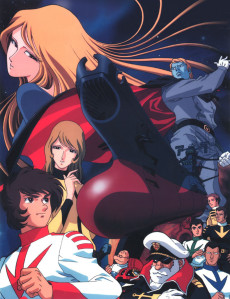
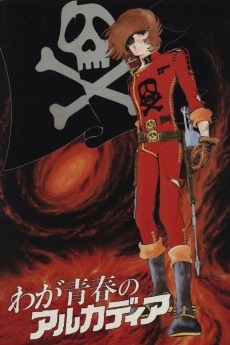
This is the one that turns a space pirate cartoon into a war memorial. Katsumata opens not in space but in the sky over the Andes, with an ancestor flying his bomber through a storm, and by the time the Arcadia finally tears out of the earth you understand that Harlock's defiance is inherited, not invented. The Illumidus occupation is barely disguised postwar Japan, complete with collaborators like Murigson smiling while Queen Lafresia's boot stays on the planet's neck, which is why Maya's pirate broadcasts hit harder than any dogfight. Zoll and Lala, the last Tokarga, give the film its cruelest lesson about what losing actually costs, and Tochiro's ending, his life folded into the ship itself, is the reason grown adults still tear up at that title card. Matsumoto fans come for the Emeraldas cameo and stay for a movie about dignity when you have already lost.
SYNOPSIS
A foreign occupation strangles Earth. The Illumidus Empire rules with absolute authority, crushing resistance beneath an iron fist. Into this suffocating world steps Harlock, a young man refusing to accept subjugation. Alongside a crew of fellow rebels, he launches a desperate campaign against impossible odds, each battle demanding greater sacrifice than the last. What begins as a fight for survival transforms into something deeper: a struggle for dignity itself. Harlock's war isn't about victory conditions or strategic advantage. It's about the principle that freedom matters more than safety, that resistance itself holds value even when defeat seems inevitable. The cost multiplies with every operation. Friendships fracture under pressure. Ideals face brutal tests. Yet these bonds forged in defiance become the true foundation of what his crew will become. This is the origin story of a legend, the moment when an ordinary man chooses an extraordinary path. Raw, violent, and emotionally unflinching, the film captures rebellion not as heroic fantasy but as devastating choice: how far will you go for what you believe in.