Anime Like Chocchan Monogatari
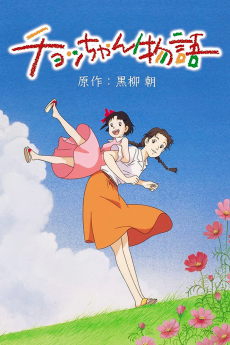
This one doesn't ambush you. It walks you gently through a marriage nobody wanted, poverty met with a shrug and a grin, three kids in a small house, and then it quietly removes the floor. Chocchan marries her violinist against both families, and the film's whole argument is that her stubborn cheerfulness is a form of courage, not naivety, right up until the war asks her to prove it. The animation carries almost all of it: no spectacle, no swelling set pieces, just faces, hands, rooms, and weather doing the emotional labor a lesser film would hand to dialogue. And the quiet gut-punch is that this actually happened, that one of those children grew up to be Tetsuko Kuroyanagi. Almost nobody talks about this movie. Everybody who finds it ends up sitting very still through the credits.
SYNOPSIS
A young woman named Cho marries a violinist against the wishes of both families, choosing love over convention in pre-war Japan. Together they build a modest life in poverty, raising three children while her husband pursues his passion for music. Their small household finds joy in simple moments and weathering hardship with warmth and humor. When war arrives, everything shifts. Cho's husband must leave for the front, and their fragile domestic peace fractures under the weight of separation and uncertainty. What unfolds is a deeply personal story about resilience during Japan's darkest hours, told through the eyes of a woman determined to hold her family together despite circumstances beyond her control. The film moves between tender domestic scenes and the creeping dread of wartime, capturing how ordinary people endured extraordinary loss. It's grounded in the actual experiences of Cho Kuroyanagi, offering an intimate portrait of sacrifice, endurance, and the bonds that sustain us when everything else crumbles. This is cinema for anyone drawn to human stories shaped by history.