Anime Like Cyborg 009
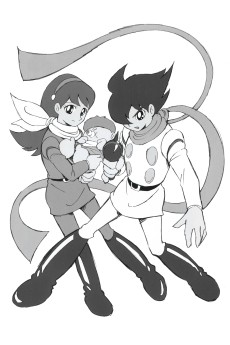
This is the show that makes you understand why every superhero team since owes Ishinomori a check. Nine strangers, stolen and rebuilt into weapons by Black Ghost, and the whole premise turns on them refusing the job description. Joe Shimamura bites down on the switch in his tooth and the world stops moving, and 1968 Toei animates that acceleration with smears and stillness instead of budget. The roster does the emotional work: Ivan, an infant with a mind older than everyone in the room, Jet's jet-footed impatience, Francoise catching sounds nobody else hears, Albert carrying a body full of guns he never asked for, Chang's fire breath, Pyunma in the water, Great Britain wearing other people's faces. Dr. Gilmore is the closest thing to a father figure, which says plenty. Watch it in black and white and admit the weapons became the family.
SYNOPSIS
Nine ordinary people wake up as something inhuman. A shadowy organization called the Neo-Black Ghosts has surgically transformed them into cyborgs, implanting them with weapons and enhancements meant to turn them into obedient soldiers. But these nine refuse to become tools for anyone's agenda. With help from Dr. Gilmore, a scientist working against his former employers, they break free and scatter across the globe to build new lives away from their captors. Peace doesn't last. The Neo-Black Ghosts come looking for their escaped assets, and injustice keeps finding the group wherever they try to hide. So the nine stop running. They decide to fight back as a team, using their cybernetic powers to protect innocents and dismantle the organization hunting them. What begins as nine separate escapes becomes something larger: a mission to prove that humanity isn't determined by circuits and programming. Each member brings their own skills and doubts to this unlikely family bound by shared trauma and defiance. This is action-driven science fiction that mixes personal stakes with global threats, following rebels learning that freedom means choosing who to fight for.