Anime Like Dies irae: To the ring reincarnation
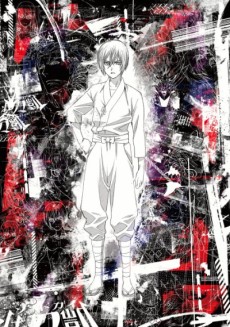
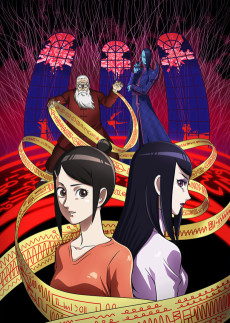
This is the stretch where the anime finally stops apologizing for itself. The first twelve episodes threw you into Suwahara City with Ren Fujii in a hospital bed, guillotine dreams, black-clad knights, and Shirou's line about everyone here losing their minds, and then mostly refused to explain any of it. These six web-only episodes are where the LDO ritual out of burning 1945 Berlin actually starts paying off, and the fights get the animation and the BGM they were always writing checks for. Yes, the artstyle still looks like it wandered out of an older decade, and yes, half the cast reads like Fate archetypes wearing new coats, Gate of Babylon energy included. If you read the visual novel, you already knew the payoff was worth waiting through the confusion. If you dropped it at episode 6, this is the part your friend kept telling you about.
SYNOPSIS
Ren Fujii remains trapped in Suwahara City, where supernatural forces and his fractured memories converge in increasingly violent ways. The LDO, those god-like beings awakened by Nazi ritual decades ago, continue to manifest in the present, their influence spreading like a contagion through the city's residents. Ren finds himself caught between worlds: haunted by visions of a guillotine and pursued by shadowy figures, yet unable to distinguish dream from reality. As the psychological and physical battles intensify, Ren must confront what truly happened between him and Shirou, and whether the madness consuming Suwahara's inhabitants is something he can actually stop or simply succumb to. The line between victim and perpetrator blurs as supernatural horror merges with intimate human tragedy. This continuation shifts the narrative into darker, more desperate territory, abandoning any pretense of normalcy. Violence becomes less a plot device and more the story's natural language. Viewers invested in the franchise's mythology will find answers buried in the chaos, though they may not like what they discover about Ren's role in the city's descent.