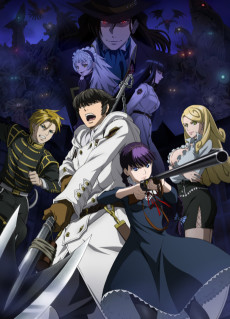
Anime Like Fairy gone Season 2
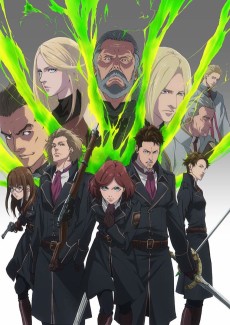
Season two stops explaining and starts collecting. Everything the first cour buried under dense terminology, Zesskia's postwar rot, Dorothea's badge-and-bullets war on illegal fairy weapons, the Black Fairy Tome everyone keeps reaching for, finally converts into consequence instead of exposition. Marlya and Free's shared Suna Village ghosts quit being backstory and become the actual engine, and Veronica's grudge stops pretending it belongs on the same side of the table. P.A. Works keeps rendering the fairies like smoke sculptures wearing armor, that half-beat before a summon where the air goes wrong, and it still doesn't look like anything else in 2019. This show never once slows down to hold your hand, which is exactly why the people who stuck with it are so loud about it. Come back for the payoff, stay because Marlya finally gets to decide something for herself.
SYNOPSIS
Nine years after the fairy war ended, Maria and her fellow soldiers at Dorothea continue their fight against those who abuse the power of possessed animals. The organization's mission grows more complicated as former comrades scatter across the criminal underworld, each pursuing their own agendas with dangerous consequences. Maria grapples with her role as a soldier in peacetime, questioning whether Dorothea truly serves justice or simply consolidates state power under another name. As investigations into rogue fairy operations intensify, the line between ally and enemy blurs. Old wounds resurface when past conflicts demand resolution, forcing Maria to confront the true cost of the war that supposedly ended. The bonds forged in combat are tested against personal ambitions and conflicting loyalties. What begins as routine suppression work evolves into a deeper reckoning with the fairy soldier legacy itself. Can anyone truly move forward from what they've done, or does the power within them demand endless conflict? This continuation deepens the moral complexity that defined the first season while pushing characters toward their most difficult choices yet.