Anime Like Fantastic Children
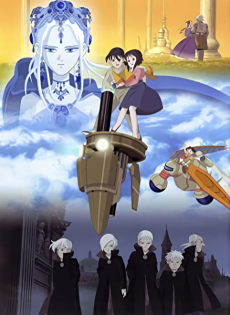
It makes you sit through eleven episodes of unexplained dread, then flips into full-blown space opera and retroactively rewires everything you thought you were watching. Takashi Nakamura draws Europe like a faded storybook, all soft painted coasts and 70s-round character faces, and hides a story about dying worlds and stolen lifetimes inside it. The Befort children, white-haired, forever eleven, moving through five centuries with the patience of men who have already lost, are one of anime's great quiet horrors. Helga scratching that crescent moon over and over because her hand remembers what she doesn't is the image that never leaves. Tohma is just a kid who swims fast and picks fights on an island, which is exactly why the reveal about Soran and Tina lands like a punch instead of a plot twist. It got buried in 2004 and it deserved better, and everyone who finishes it knows it.
SYNOPSIS
Across five centuries of European history, the same white-haired children keep appearing, frozen in time at age eleven. They move through the world with impossible maturity and inexplicable power, always searching for something, always pursuing a single clue: a girl whose only identifier is a crescent moon. No one ages. No one forgets. The mystery deepens with each generation. In 2012, Tohma is an ordinary boy living an ordinary life until he crosses paths with these ageless seekers. What begins as a chance encounter spirals into something far bigger, pulling him into a centuries-old obsession he never asked to understand. As Tohma gets closer to the truth, questions multiply faster than answers arrive. Who are these children really? Why have they searched for so long? What happens when they finally find what they're looking for? Fantastic Children weaves together science fiction and fairy tale logic, mystery and emotion, creating a narrative that keeps unraveling backward through time even as it moves forward. Expect grand scope wrapped around intimate character moments, and puzzles that demand your full attention.