Anime Like Ghost in the Shell: SAC_2045 Season 2
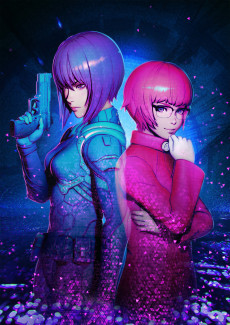
It puts Section 9 back in a room together and lets them talk, and suddenly you remember why you cared about these people in the first place. The banter, the Tachikomas, Batou needling Togusa, Aramaki running interference upstairs: after a first season that felt like a tech demo with a payroll, Season 2 finally sounds like Stand Alone Complex again. Then there's Takashi Shimamura, a quiet high schooler whose post-human awakening turns a book into a weapon aimed at the whole species, and the show treats him with real sympathy instead of making him a monster to shoot. The cel-shaded CG still splits the room, and the ending genuinely fumbles the bag, threads left dangling as Motoko dives into something the script can't articulate. But you'll still watch it, because the alternative is admitting you're done with these characters. You aren't."""}
SYNOPSIS
Motoko Kusanagi and her elite unit at Public Security Section 9 return to confront a new wave of threats in a world where the line between human consciousness and digital existence grows increasingly blurred. When a series of coordinated cyberattacks targets the nation's infrastructure, the team uncovers something far more sinister than ordinary cybercrime: a conspiracy that reaches into the highest levels of power and questions the very nature of identity itself. As Kusanagi leads her operatives through murky digital landscapes and physical battlegrounds, she must grapple with her own fractured sense of self. Each member of Section 9 brings their unique skills to the investigation, but none are prepared for what awaits them. The season escalates from tactical missions into philosophical territory, asking whether consciousness can be truly stolen, copied, or destroyed. Expect intense action sequences, mind-bending plot turns, and the cerebral atmosphere that defines this franchise. This is cyberpunk espionage that refuses simple answers.