Anime Like Heavy
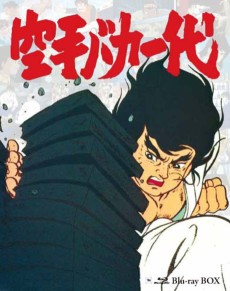
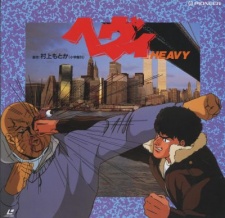
It puts a dying man and a woman the world spits on in the corner of a boxing ring and dares you to look away. Gai is a karate fighter, not a boxer, and that mismatch is the whole engine here: everything he knows has to be broken down and rebuilt by a doctor counting his own remaining months and a trans trainer living with AIDS in 1990, when almost nothing else in anime would say that word out loud. The New York slum isn't scenery, it's the reason all three of them have nothing left to lose. Motoka Murakami wrote it, and it carries his usual conviction that a body in pain is where the drama actually lives. One movie, no franchise, no safety net. You watch it because nobody would greenlight this now.
SYNOPSIS
Gai is a karate prodigy surviving in New York's roughest neighborhoods, where his martial arts skills are his only currency. When a terminally ill doctor recognizes his raw potential, he makes Gai an offer: abandon karate and enter the boxing ring. The doctor has nothing left to lose and everything to prove before his time runs out. Alongside them stands an unexpected mentor, a trans woman living with AIDS who knows firsthand what it means to fight a battle the world refuses to acknowledge. Together, these three outcasts form an unlikely family bound by desperation and defiance. What begins as a shot at championship glory transforms into something deeper, as Gai discovers that the real fight isn't about titles or money. It's about reclaiming dignity in a system designed to crush people like them. The film captures the grit of street-level survival and the quiet power of solidarity between those society has abandoned. Raw and unflinching, it refuses easy answers about redemption or triumph.