Anime Like Hibike! Euphonium 3: Extra Episodes
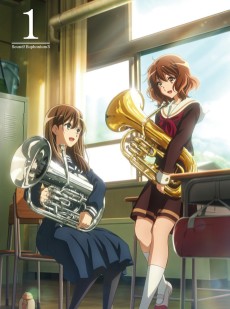
These are the five minutes you wanted after the credits stopped rolling. Season 3 spent thirteen episodes grinding Kumiko down between the club presidency, the road to Nationals, and the audition that put her and Mayu on opposite sides of the same solo, then ended before anyone got to exhale. The extras are the exhale. No gag shorts this time, unlike the goofy disc bonuses earlier seasons tossed off: these are quiet, serious, built out of feelings instead of events, with the animation stripped back so the silences do the lifting. Six minutes per episode is not enough and you will feel that, especially if you wanted a real epilogue rather than a sketch of one. But if you ever wondered what these Kitauji kids say to each other once the instruments are in their cases, this is it.
SYNOPSIS
The Kitauji High School band returns with intimate moments away from the concert hall. These six episodes capture the quieter spaces between competitions: late-night practice sessions where friendships deepen, casual conversations that reveal new sides of familiar characters, and small victories that matter more than any trophy. You watch as musicians navigate the ordinary pressures of school life, romantic uncertainties, and the weight of commitment to their craft. The focus shifts from grand performances to genuine connection, letting you exist in the band's world without the pressure of judgment. What emerges is a portrait of young people who've chosen to spend their most formative years making music together. These aren't filler episodes but rather the connective tissue that makes the larger story breathe. Whether you're revisiting these characters or discovering new dimensions to their relationships, the series finds warmth in mundane moments: shared snacks, inside jokes, and the unspoken understanding between people who've worked toward something meaningful. It's intimacy through the lens of passion and commitment.