Anime Like Horizon Blue
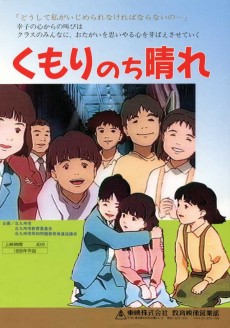
This one doesn't build to a gut punch, it just sits with you in the quiet and lets the dread accumulate. Hiroshi Harada is the man who dragged Midori into existence, and he spent twenty-four years alone on this one, which means every frame is one obsessive's refusal to let the subject go. And the subject is child abuse and the Japanese family that closes ranks around it, handled without a single beat of spectacle or catharsis to let you off the hook. There's no plot machinery here, just people, the ones who hurt and the ones who learn to stay silent about it, studied until you can't unsee them. It's slept on because nobody markets a film like this, and because watching it feels less like entertainment than like being told something in confidence. Go in rested. Come out quiet.
SYNOPSIS
A young girl navigates the wreckage of a fractured family, where love curdles into harm and safety becomes a luxury she can't afford. Her father's presence darkens every room. Her mother's silence speaks volumes. The spaces between them grow colder each day, and she learns early that speaking up only makes things worse. What begins as quiet suffering transforms into something darker: the realization that the adults around her are broken in ways they'll never fix. She must find a way to survive within walls that were supposed to protect her, surrounded by people who've forgotten how to be gentle. This film sits in the murk of human cruelty, refusing easy answers or redemption arcs. It's unflinching about how families destroy themselves from the inside, how children bear witness to damage they didn't cause and can't escape. Raw and deliberately paced, it demands attention not for spectacle but for its commitment to showing what abuse actually looks like when stripped of narrative polish.