Anime Like HYPNOSISMIC -Division Rap Battle- Rhyme Anima PLUS
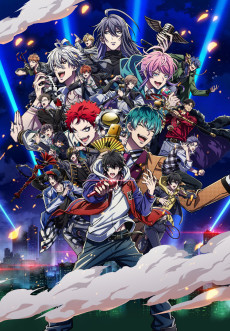
It drops you back into a Tokyo where guns are banned and a microphone can knock a man flat, and then it makes you argue with your friends about whether it still deserves you. The pull was never the plot. It's Buster Bros!!! and MAD TRIGGER CREW and Fling Posse and Matenrou getting their bars animated, the tracks landing with the same weight as Season 1, the character designs still popping off the screen when the beat drops. Reviewers who stuck it out say the story finds its legs, but the opening stretch is slow enough that plenty of people bailed, and nobody pretends this matches the first season punch for punch. So it's a fan's watch, plain and simple: if you already know which division you'd rep, the songs alone are worth the sit. If you don't, start with Season 1 and come back when Ichiro's voice means something to you.
SYNOPSIS
In a future Tokyo where rap battles determine the city's political power structure, the second division competition has just concluded, shifting the balance between five rap crews. Now these groups must navigate new alliances, rivalries, and personal vendettas as the stakes grow higher than ever before. The story splits focus across multiple crews as they grapple with what the division's outcome means for their territories and their futures. Old tensions resurface while unexpected partnerships form, forcing characters to confront whether they're fighting for pride, survival, or something deeper. Words become weapons, and microphones channel genuine hypnotic power that reshapes reality itself. What emerges is part character study, part action spectacle. The series balances intense musical performances with dramatic plot threads that question loyalty and ambition. Between competitive set pieces, quieter moments reveal the human cost of constant conflict. Viewers come for the dynamic rap sequences and electrifying production, but stay for how these characters genuinely change through their losses and victories. This is hip-hop as high stakes political theater where every battle matters.