Anime Like I★CHU
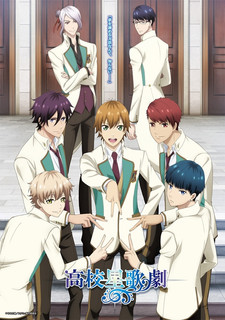
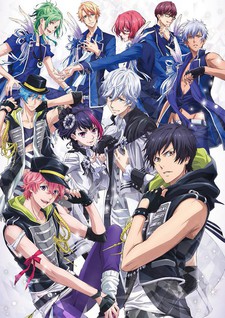
It drops you into the first day of idol school and immediately yanks the floor out, because Kuma Kocho opens with one line that turns Étoile Vio's shiny new class of IChu into a scramble. That's the tone for all twelve episodes: glitter on the surface, existential dread underneath, with these kids constantly circling the question nobody at a normal idol academy would dare ask out loud. What is an idol? Not what sells, not what charts, what it actually means to stand on that stage. The ensemble is huge and everybody's chasing a different answer, so the show keeps cutting between personal goals that don't line up and somehow makes that the point. If you've ever loved an idol series for the messy bits between performances, the arguing, the doubting, the springtime that's already burning down while they're living it, this one's speaking your language."}
SYNOPSIS
A group of hopeful teenagers arrives at Étoile Vio School, a prestigious institution dedicated to sculpting the next generation of idols. Each student, dubbed IChu, carries their own reasons for being here: dreams of stardom, desires to connect with audiences, or simply the pull of an uncertain ambition. Their headmaster Kuma Kocho delivers a cryptic challenge that immediately puts them on edge, forcing them to question what they think they know about the idol industry. As rehearsals intensify and performances mount, these young people begin realizing that becoming an idol means more than memorizing choreography and hitting vocal marks. They grapple with identity, purpose, and what it truly means to inspire others. Each member of the group wants something different from this path, yet they're learning together, pushing each other toward answers. The days blur between grueling practice, personal breakthroughs, and moments of pure connection with both their craft and each other. Their journey becomes less about chasing fame and more about discovering who they are in the process.