Anime Like I, Tsushima
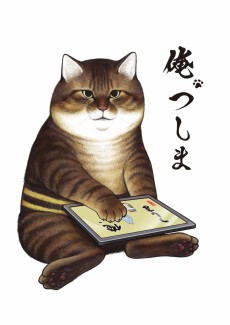
It lowers your blood pressure in under four minutes an episode, which is a flex most shows can't manage in a full cour. The whole engine is one joke that never stops paying: a woman well into her later years, and every cat in the neighborhood is dead certain she's a man, so she is simply Ojii-chan forever, no appeals process. Then Tsushima swaggers into the yard with the entitlement of a landlord and the manners of a bar regular, and the balance of power in that small patch of grass shifts permanently. The camera stays at cat height, so the yard becomes the entire known world and mealtime becomes geopolitics. It's twelve shorts, it asks nothing of you, and it rewards a second pass because you catch the tiny cat-logic gags you missed while laughing at the first one. Perfect for the nights you have nothing left.
SYNOPSIS
An older woman has built a quiet life surrounded by cats, who've collectively decided she's their grandfather figure. They call her Ojii-chan, and she's made peace with this particular identity crisis. Everything changes when Tsushima, a scrappy cat with zero respect for boundaries, barrels into her yard with the energy of a tiny furry hurricane. Unlike the other cats, Tsushima doesn't care about hierarchy or propriety. He's loud, reckless, and somehow magnetic in his refusal to play by anyone's rules. What begins as Ojii-chan trying to keep Tsushima in line becomes something messier and more genuine. As days pass, a strange found-family dynamic emerges between this woman, her elderly cat posse, and the newcomer who refuses to fit into their established order. The show finds humor in everyday moments: cats being cats, an older person navigating the absurdity of her own life, and the unexpected ways affection forms when nobody's really trying. It's comfort television about belonging to something, even when the whole setup is completely ridiculous.