Anime Like Itte.
It's four minutes long and it will still find you at two in the morning three years later. The whole thing hangs on one homophone: 言って means say it, 逝って means go, as in die, and suis sings both readings at once until the song stops being a song and becomes someone standing over an absence, demanding a reply that is never coming. n-buna doesn't build a plot here. He builds a person who cannot let go, addressing a listener who has already left, and every verse is another thing they should have said out loud. The animation stays quiet and small on purpose, no spectacle, no rescue, just a slow accumulation of ordinary detail that turns unbearable. The cruelty is that the melody is lovely. You will hum it before you understand you're humming a funeral.
SYNOPSIS
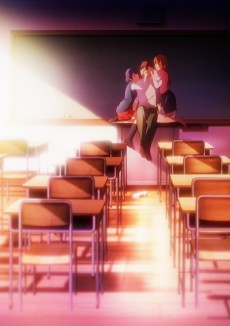
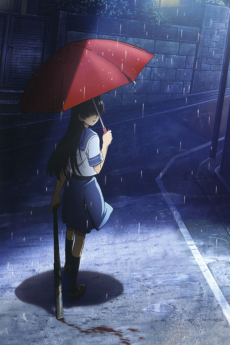
A solitary figure moves through shadowed spaces, caught between silence and the weight of words left unsaid. Yorushika's "Say It" unfolds as a visual meditation on the gap between what we feel and what we can express, letting instrumental arrangements build beneath moments of quiet introspection. The narrative captures that familiar ache of standing on the edge of confession, where vulnerability and fear tangle together. Imagery drifts between intimate character moments and abstract spaces that mirror internal struggle, creating an atmosphere that feels both deeply personal and universally resonant. This isn't a traditional story with plot beats. Instead, it's a mood piece that communicates through visual poetry and sound, letting you sit with the emotional texture of wanting to say something that matters but finding the words impossibly difficult. The single episode functions like a song does: it washes over you, leaving impression and feeling rather than exposition. Connect with this if you're drawn to music videos that treat their medium as art, or if you recognize that particular paralysis of knowing what needs to be said but not knowing how to say it.