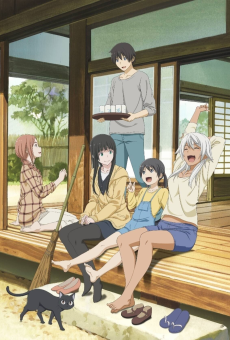
Anime Like Journal with Witch
This one doesn't reach for your tear ducts, it just sits down next to you and waits until you break first. Makio Koudai is a reclusive novelist who built a life out of avoiding people, and the show refuses to let her become a cute grumpy-guardian trope. Asa is fifteen and just lost both parents, and the writing gives her grief the shape real grief has: sideways, badly timed, dressed up as an argument about nothing. Reviewers keep filing it next to Usagi Drop and Kotaro Lives Alone, but the depression and identity material here cuts deeper and stays unresolved longer than either. Fair warning, the pacing is deliberate and the emotional bill comes due in full, so don't queue it as background noise. Watch it twice. The second pass, you catch what Makio isn't saying, and it wrecks you all over again.
SYNOPSIS
Makio has spent years wrapped in solitude, her novels her only companions. That changes overnight when tragedy brings a teenage girl into her carefully ordered life. Asa is nothing like the quiet, bookish aunt she barely knows, and the feeling is mutual. One wants silence and routine; the other needs someone to care whether she comes home. Living together means collision. Makio's withdrawn nature clashes against Asa's grief and need for connection. Neither knows how to bridge that gap, and both are convinced they're better off alone. But days turn into weeks, and small moments accumulate. A shared meal. A genuine question. The quiet realization that they're both grieving, just in different ways. This is a story about two people learning that family isn't just obligation. It's about breaking down walls when you've spent your whole life building them, and discovering that someone else's presence doesn't have to mean losing yourself. Slow, tender, and achingly human.