Anime Like Kiku-chan to Ookami
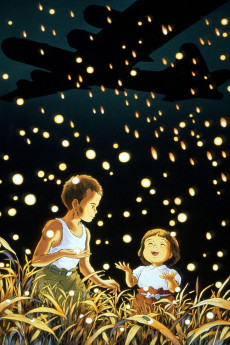
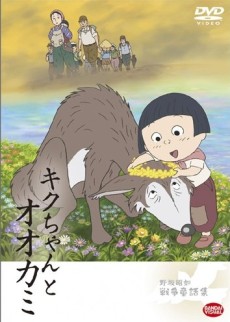
It works on you sideways. No battles, no speeches, no swelling orchestra telling you when to feel something, just a girl in the fields of Manchuria and an old she-wolf that decides, for reasons nobody bothers to explain, to mother her. This is Akiyuki Nosaka, the man who wrote Grave of the Fireflies, doing the thing he does best: dropping a child into the machinery of WWII and refusing to look away or soften it. One episode, almost no spectacle, and it still guts you harder than shows with twenty-six tries at it, because the only tenderness on offer comes from an animal that should be a predator. Nobody here is coming to save anybody. What stays with you is smaller than the war: something not human deciding to stay.
SYNOPSIS
A young girl wanders alone through the barren fields of wartime Manchuria, displaced and struggling to survive in a landscape stripped bare by conflict. When a wolf emerges from the wilderness, an unlikely bond forms between them. The creature becomes her protector and companion, filling a void left by the family she has lost. As winter closes in and resources grow scarcer, their relationship deepens into something maternal and fierce. The wolf guards her through endless nights, while the girl finds in this animal the only warmth and safety available to her. Yet their connection exists within a brutal reality: war continues to ravage the land around them, indifferent to their private struggle. The story quietly observes how humans and animals alike survive impossible circumstances through connection rather than force. It captures grief and resilience in a setting where both seem equally fragile. This is a meditation on loss, protection, and the unexpected bonds that sustain us when everything else has collapsed.