Anime Like Lao Lang Qingke
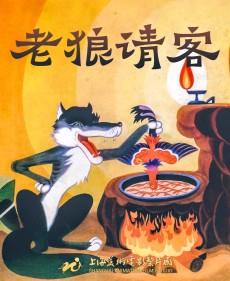
This one gets you with how small the stakes look and how much they sting anyway. A wolf cooks a pot of chicken for no reason other than wanting his friend the bear to taste it, and that single act of generosity is the whole emotional engine. Then the fox slips in, empties the pot, and does the truly vicious part: he doesn't run, he talks. Watching two friends turn on each other over a meal that neither of them ate is the kind of quiet gut-punch fables have been landing for centuries, and the gentle pacing here refuses to rush it. No spectacle, no villain monologue, just a liar who understands that suspicion does more damage than theft. You'll finish it thinking about the last time somebody told you what your friend supposedly said.
SYNOPSIS
An old wolf prepares a special meal, hoping to share it with his closest friend, a bear. Before he can extend the invitation, a cunning fox slips into his home and devours the prize. Rather than simply enjoying the stolen feast, the fox sees an opportunity for mischief far more satisfying than any meal: sowing discord between the two friends. What begins as a simple act of theft transforms into a calculated game of manipulation. The fox plants seeds of doubt and accusation, twisting innocent words into perceived slights. The wolf and bear, who've built their friendship on trust, find themselves questioning each other's intentions. Misunderstandings multiply, and pride prevents either from believing the other's denials. This brief but pointed story captures how easily bonds can fracture when suspicion takes root. It's a fable about friendship tested by external forces, about how the simplest lies can unravel what took years to build. The narrative works as both entertainment and moral lesson, reminding viewers that trust, once damaged, demands genuine effort to repair. Perfect for anyone who appreciates character-driven storytelling with real stakes, even in miniature form.