Anime Like Major S6
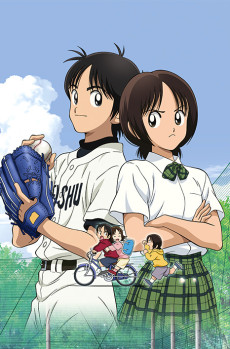
Six seasons in, this one stops being a sports show and starts being a reckoning. Goro finally gets the Major League mound he's chased since he was a kid in a Little League uniform, and the series immediately makes you watch the bill come due on that shoulder he refused to protect at the World Cup. The framing device is the knife: his family and friends packed around TVs back in Japan, cheering a debut they don't yet understand, Shimizu watching the boy she's loved since grade school throw his arm away in front of a stadium. It asks the question every Major fan dreaded, what is Goro Shigeno if he cannot pitch, and it doesn't flinch from the answer. Toshiya growing up in his brother's shadow gives the whole thing a second heartbeat. You don't finish this season, you survive it.
SYNOPSIS
Goro's lifelong dream finally arrives: a contract with a Major League Baseball team in America. After rekindling his love for the sport back in Japan, he's ready to prove himself as a professional pitcher on the world's biggest stage. His family and friends gather across Japan to witness his debut, their screens glowing with anticipation for the moment he's worked toward his entire life. But nothing goes according to plan. From his first pitch onward, unexpected twists shake Goro's confidence and test everything he's built. Success in the majors demands more than raw talent and determination. It demands adaptation, resilience, and the willingness to face hard truths about himself and his place in the game. This season balances comedy with genuine emotional stakes as Goro navigates the pressures of professional baseball, the distance from his support system, and the gap between expectation and reality. For viewers who've followed his journey from childhood, this is where the series asks what it truly costs to achieve your dream.