Anime Like Natsunagu!
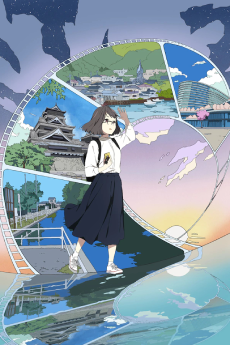
Five minutes an episode, and it still slows your pulse down. Natsuna Keyaki goes looking for a friend she lost contact with after the 2016 quakes, and what she finds instead is Kumamoto itself: real streets, real skies, backgrounds rendered with the kind of care most full-length shows save for their finale. The animation direction is the reason to be here, and reviewers reaching for KyoAni as a comparison aren't just being generous. The soundtrack carries scenes that other shows would have padded with dialogue, and Izumi, the middle schooler who drags Natsuna out of her own head, is the small human engine that makes the trip mean something. Be warned: the pacing stumbles, some episodes rush and others sit in silences that feel unintentional, and the sound mix drops out right when you want it loudest. Watch it anyway. It's a postcard from a place that needed one.
SYNOPSIS
Natsuna arrives in Kumamoto chasing a ghost, a friend she lost touch with after the devastating 2016 earthquakes. What starts as a search becomes something deeper when she connects with Izumi, a spirited middle schooler, and discovers a tight-knit community of locals rebuilding their lives with quiet determination. As summer unfolds, Natsuna finds herself pulled into their orbit, watching how these people balance grief with hope, loss with laughter. The city's scars remain visible in every corner, yet there's an undeniable warmth radiating from those who call it home. Natsuna realizes her journey isn't really about finding one person anymore. It's about understanding resilience through small moments: conversations over meals, shared summer festivals, the ordinary days that matter most. This is a story about healing without neat resolution, about how strangers become family when they choose to stay present for each other. It moves slowly, lets silence breathe, and trusts that you'll feel something real in the spaces between words.