Anime Like Omakase Scrappers
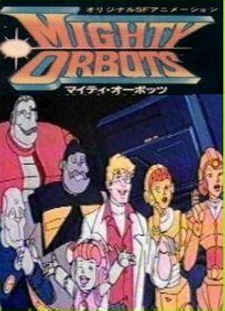
This one sneaks up on you. You come in for a goofy 1994 kid-runs-a-business comedy and you leave weirdly protective of a crew of outdated machines. Chusuke Uta doesn't get funding, a mentor, or a shiny new model. He gets secondhand Workbots that other people already wrote off, and he builds a jack-of-all-trades outfit out of them: hauling furniture one week, standing between an idol and a crowd the next. Thirty-nine episodes of odd jobs sounds like filler until you notice the actual antagonist is progress itself, a society that keeps rolling out newer units and quietly deciding what counts as scrap. That's the ache underneath the gags, the fear of being replaced by something that does your job faster and smiles while doing it. For anyone who has ever kept a machine running past the point of sense because it earned that, this is your show.
SYNOPSIS
In a sprawling future where androids called Workbots handle most of society's needs, a scrappy kid named Chusuke Uta has a different idea: he rounds up discarded robots and starts his own do-anything service company. Whether someone needs help moving, bodyguard work for a pop idol, or solving some weird neighborhood problem, Chusuke and his ragtag crew of outdated Workbots take the job. They're not the sleekest or most advanced units on the market, but they've got heart and resourcefulness that newer models can't buy. The real challenge isn't the jobs themselves, though, it's the world constantly leaving them behind. As corporations push shinier, faster androids into the market, Chusuke's operation has to prove that old, broken-down robots still matter. Each episode brings a new bizarre task that forces his team to improvise, adapt, and occasionally fail spectacularly before pulling off something genuinely heroic. It's a comedy wrapped in earnest optimism about second chances and finding your place in a disposable world.