Anime Like Pattenrai!! Minami no Shima no Mizu Monogatari
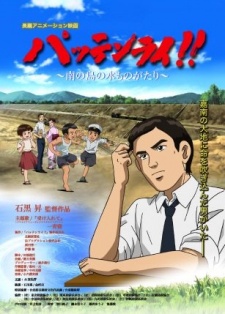
This one works on you slowly, the way a shovel works on dirt. It opens in 1917 on the Chianan Plain, where the whole shape of a life is set by how far you have to carry water home, and it never once pretends engineering is exciting. Yoichi Hatta shows up with a plan nobody asked for and nobody believes, and the film respects the farmers enough to let them call him a liar to his face. The real center is Xu Yingzhe, a poor farmer's son who does the hardest thing available to him: he actually listens, and tries to understand the numbers the adults have already dismissed. There is no spectacle here, no villain, just occupation-era Taiwan and the unglamorous math of making land drinkable. Slept on for a reason nobody should accept. Watch it for the kid who decided to believe something before it was safe to.
SYNOPSIS
In 1917 Taiwan, the Chianan Plain endures crushing drought. Families trudge daily to distant wells, their survival hanging on the water they can carry. The land seems cursed to thirst, and the people have learned not to hope for change. Then Yoichi Hatta arrives, a Japanese engineer with blueprints for an ambitious irrigation system that could transform everything. The villagers dismiss him outright. His vision sounds impossible, a fantasy from someone who doesn't understand their reality. Xu Yingzhe, a farmer's son, sees something different in Hatta's proposal. While others mock the engineer, Xu questions whether despair has blinded them all to possibility. He becomes the bridge between Hatta's ambition and a community afraid to believe in tomorrow. What unfolds is a quiet examination of progress, stubborn faith, and the cost of infrastructure built on trust between occupier and occupied. This isn't a story about grand heroics. It's about ordinary people confronting whether transformation is worth the risk, and whether one person's vision can matter when survival consumes every moment.