Anime Like Pingu in the City 2
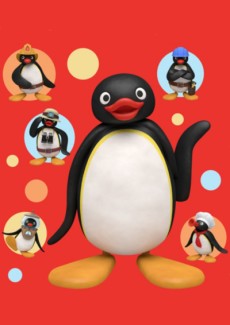
It lowers your heart rate in about ninety seconds. Season two doesn't reinvent anything, and that's the point: Pingu still barges into somebody's workplace, still means well, still leaves the place worse than he found it, and the clay still squashes and stretches with that handmade weight no render farm can fake. What the second run gets right is the quirks. The gags land tighter, the family reads sharper, and Pingu's honking non-language carries every punchline without a single subtitle needed. Some people call it generic because it doesn't shout, which is a confession that they've never sat down after a bad shift and let five minutes of a penguin failing at a job put them back together. Pinga's still there. The city's still too big for him. He tries anyway.
SYNOPSIS
Pingu continues his chaotic adventures in the bustling city, where every day brings a new job to infiltrate and a fresh opportunity for mayhem. The curious penguin remains determined to understand how the city works, shadowing everyone from chefs to construction workers to office professionals. His well-intentioned efforts consistently backfire in hilarious ways, transforming ordinary workdays into absurd disasters that leave his coworkers bewildered and exhausted. What makes the show tick is its commitment to physical comedy without dialogue. Pingu's expressive waddles, squawks, and gestures carry the entire narrative, letting visual gags land harder than any punchline could. Each episode follows a predictable but satisfying formula: Pingu gets curious, Pingu causes chaos, everyone survives mostly unscathed. The city's diverse cast of characters serves as straight men to his antics, their deadpan reactions offsetting his boundless energy. This is pure, uncomplicated fun for kids who love slapstick and anyone nostalgic for a penguin who refuses to learn from his mistakes.