Anime Like Pinocchio no Uta
SYNOPSIS
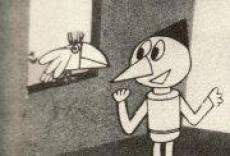
A single haunting musical moment from Japan's golden age of children's programming, "Pinocchio no Uta" exists now mostly in memory and fragmented recordings. Toshie Kusunoki's voice carries a deceptively cheerful melody about the wooden puppet who dreams of becoming real, but there's something unsettling beneath the surface. The animation that accompanies the song remains largely inaccessible, adding to its mystique as lost media that occasionally resurfaces in nostalgic compilations and archival discussions. What makes this piece compelling isn't just its rarity. The juxtaposition of innocent source material with the eerie quality of its near-total disappearance creates an odd emotional resonance. Viewers searching for glimpses of this work often find themselves caught between genuine curiosity about what NHK originally intended and the strange fascination that comes with encountering fragments of forgotten television history. For those interested in animation archaeology or simply curious about what early Japanese broadcasters considered appropriate children's content, this represents a specific moment in time that's increasingly difficult to experience as originally presented.


