Anime Like SHe
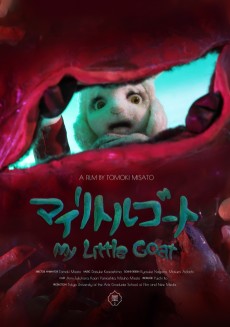
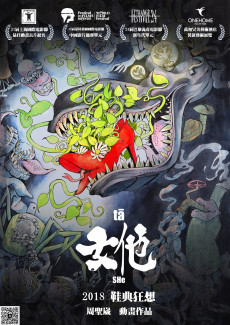
It gets under your skin because nothing in it looks human, and yet you flinch anyway. Mulan Hua is a high-heeled shoe, and the world she claws through is a stop-motion nightmare of leather, sole and stitching where a baby shoe factory decides which infants get remade into male sturdy shoes. Watch her bind herself into a man's silhouette and grind through shifts at the cigarette factory, and the film stops being a gimmick about footwear roughly ten seconds in. There's no dialogue to lean on, just texture, squelch and the awful patience of frame-by-frame animation, which is exactly why the totalitarian bootlicking and the drunk-on-power finale land like a gut punch instead of a lecture. Every fan who finds this thing says the same thing: it should be famous, and it isn't. A mother's sacrifice, told in shoes, and it will absolutely make you feel something you weren't ready for.
SYNOPSIS
In a world built by and for men, Mulan Hua is a high-heeled shoe with something to protect: her daughter. When the baby shoe factory threatens to remake the girl into something masculine and obedient, Mulan refuses to let it happen. Her only option is to shed her identity entirely, binding herself into the shape of a sturdy work shoe and disappearing into the machinery of a cigarette factory where nobody asks questions. The film unfolds as a portrait of survival wrapped in surreal body horror and dark comedy. Every shift in the factory becomes another day of erasure, another step away from who she was. But beneath the surface lies something sharper: a meditation on how power corrupts and how systems consume those who resist them. Mulan's sacrifice isn't quiet or noble. It's desperate, complicated, and increasingly uncertain whether her daughter will ever understand what was lost. This is political horror dressed in the language of fairy tales, where the real monsters wear suits and clipboards.