Anime Like Shin Saru Kani Gassen
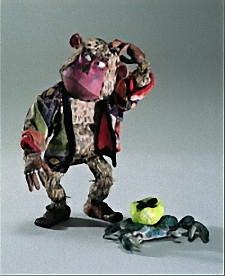
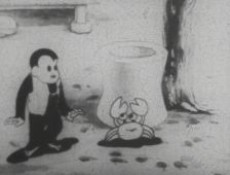
You do not watch this so much as squint at it, and that squint is the whole experience. The print comes to you faded and incomplete, so every surviving frame feels like something you were not supposed to still have: the ape sprawled up in the peach tree, fruit dropping hard enough to leave one crab broken on the ground, the others quietly deciding they are done asking. There is no spectacle here and it never wanted any. It is a folktale moral about sharing and about what happens when you take from people who can outlast you, told at the pace of a bedtime story, with anthropomorphic animals doing the arguing so nobody has to say it out loud. For anime historians and silent film heads, that is the draw. Someone bothered to keep this, and it still lands its point.
SYNOPSIS
A band of crabs discovers an uninvited ape living in their peach tree, gorging itself on fruit and hurling what it doesn't eat at anyone below. What starts as minor annoyance escalates when the creature's violence leaves one of their own critically wounded. The community faces an impossible choice: abandon their home and livelihood, or stand against a far more powerful opponent. With their survival threatened, the crabs organize. Strategy replaces panic as they prepare to reclaim what's theirs, knowing the confrontation ahead will test not just their courage but their unity. The odds seem laughable on paper. A handful of small creatures versus a creature built for dominance. Yet desperation breeds determination, and sometimes the smallest voices demand to be heard. This is a story about resistance when you have nothing left to lose. About communities finding strength in numbers when individual power fails. About what happens when the weak decide they're done being prey. The tone balances dark stakes with an almost fable-like quality, making it resonate far beyond its simple setup.