Anime Like Stop!! Hibari-kun!
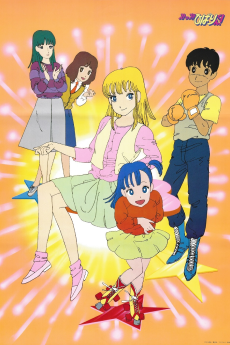
It drops you into 1983 and dares you to keep up: Kousaku is orphaned, shipped off to a yakuza boss's house, and the punchline of his new life is that the prettiest girl there, Hibari, is the boss's son and has decided Kousaku is hers. What keeps it alive forty years later is that Hibari is written with actual spine, confident, athletic, running circles around the school and around Kousaku's panic, while everyone else plays straight man to a joke she refuses to be. Hisashi Eguchi's linework survives the translation to cel, all clean silhouettes and that glossy early-80s pop styling that still looks better than shows made a decade after it. Be honest about the rest: the running gag is Kousaku's horror, and the supporting cast throws punches this era threw casually, so you watch it as a document, not a hug. And it just stops, no ending, same as the manga, which somehow fits a show about a kid who never gets an answer he can live with."
SYNOPSIS
Kousaku loses his mother and finds himself with nowhere to go, so he moves into the home of her oldest friend. Problem is, this friend runs a yakuza operation and has four daughters who are all stunningly beautiful. The real shock comes when Kousaku learns that Hibari, the most gorgeous of the four, was born male and identifies as a woman. Before he can even process what's happening, Hibari becomes completely infatuated with him, turning his quiet new life into absolute chaos. What follows is a comedy about two people navigating an unconventional living situation under one roof with a yakuza boss's family, where nothing goes as planned and everything somehow works out anyway. There's romance, comedy, and genuine heart beneath all the absurdity. The show commits fully to its premise without judgment, letting the characters exist as they are while throwing obstacle after obstacle at their relationship. If you're looking for something that's genuinely funny, a little weird, and surprisingly earnest about its characters, this delivers on all fronts.