Anime Like Strange Dawn
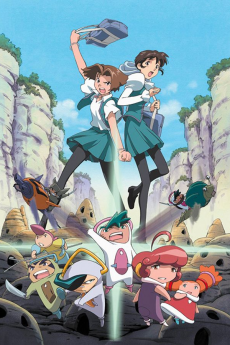
It hands you two ordinary schoolgirls, cute round little villagers, and a soft pastel world, then spends thirteen episodes making you feel sick about it. Yuko wants to be the Great Protector everyone insists she is. Eri just wants to go home, and the show refuses to punish her for that, which is exactly why the second half stings. Every faction in this war wants the giants as a banner, and the tiny people bleeding around the girls' feet are treated as real casualties, not scenery. This is the Narutaru and Made in Abyss trick years early: baby-soft character design as a delivery system for politics, complicity, and how fast worship curdles into use. The ending drops out from under you like the plug got pulled, and honestly that abruptness lands closer to the truth than a tidy goodbye would.
SYNOPSIS
Two ordinary high school girls, Yuko and Eri, wake up in a world that defies everything they know. The landscape sprawls before them in miniature, populated by tiny people who immediately hail them as legendary saviors. The inhabitants call them the Great Protectors, beings prophesied to arrive in their darkest hour. Desperate to understand what happened and how to return home, Yuko and Eri join a group of local warriors on a quest for answers. As they travel through this strange land, they discover that their arrival has triggered something far more complicated than a simple rescue mission. Multiple factions see the girls not as people but as symbols, weapons to consolidate power and rally followers to their cause. War looms on the horizon, and everyone wants to control the Great Protectors. Caught between their desire to go home and an unexpected sense of responsibility to people they barely know, the girls must navigate politics, betrayal, and their own growing doubts about whether they're saviors at all or simply tools in someone else's game.