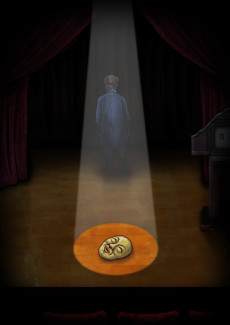
Anime Like Theatre of Darkness: Yamishibai 10
It gets in, ruins your evening, and leaves in under five minutes. Ten seasons deep and Yamishibai still refuses to animate properly, and that's the whole trick: flat paper-cutout figures sliding across static backgrounds, mouths that barely move, a stillness that makes your brain lean in right before the frame changes and something is standing where nothing was. These thirteen shorts don't do character arcs or last-act rescues. Somebody breaks a rule they didn't know existed, and the story ends on the reveal, no explanation, no survivor, cut to credits while you're still processing what you just saw in the corner of the panel. The sound design does more work than most full-length horror seasons, all room tone and wrong breathing. You'll tell yourself it's just paper theater. Then you'll leave the hallway light on."}
SYNOPSIS
A shadow puppet theater materializes in the dark, and with it come thirteen new tales of the uncanny. Each night, brief encounters with the supernatural unfold on a tattered screen: a woman's obsession with her reflection, a child's innocent game that shouldn't be played, a photograph that captures something it shouldn't have. The stories are quick, punchy, and deliberately unsettling. There's no time for lengthy buildup or exposition. Instead, each episode hits hard with a single creeping image or twisted logic that lingers long after the credits roll. Yamishibai's tenth installment maintains the franchise's signature approach: minimalist animation, folk horror sensibilities, and narratives rooted in Japanese urban legends and everyday dread. The horror here isn't about jump scares or gore. It's about the wrongness hiding in plain sight, the moment you realize something ordinary has become profoundly disturbing. Perfect for viewers who appreciate compact storytelling and supernatural tales that leave you unsettled rather than terrified. Best experienced in short bursts when the sun goes down.