Anime Like Tiger Mask Nisei
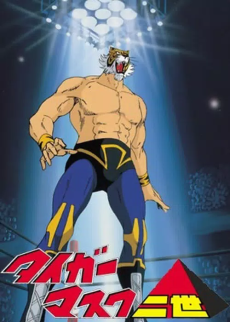
This is the one that makes you understand why a mask matters more than a man. The original left a hole shaped like Naoto Date, the heel who went straight because one orphanage kid said he wanted to grow up vicious, and the sequel does not pretend that hole can be filled. It hands the stripes to someone new and asks the ugliest question in the genre: can you inherit a symbol without inheriting the debt to Tiger's Cave, the outfit that manufactures monsters and bills them half their purse for the privilege? 1981 timing is the part fans get smug about, because Satoru Sayama was putting on the mask for real in New Japan while these 33 episodes aired, so the cartoon and the shoot were feeding each other in real time. The wrestling is drawn like wrestling, holds and counters and the long pause before the crowd figures out who to cheer. And it still ends up being about kids in a home watching a TV, deciding what a hero looks like.
SYNOPSIS
A new generation of wrestlers steps into the ring as Tiger Mask's legacy continues. The second installment shifts focus to fresh faces and rising talent navigating the professional wrestling world, building on the foundation laid by the original hero's journey from ruthless villain to noble fighter. Where the first series centered on personal redemption, this chapter expands the scope to show how that transformation ripples across the sport itself. New wrestlers face their own moral crossroads, battling not just opponents in the squared circle but the corrupting forces that threaten to turn them into heartless competitors. The orphanage remains a touchstone for heroism and humanity in a world that constantly tests whether wrestlers will choose fame and fortune over integrity. High-flying matches showcase the athleticism and drama that define the sport, while character conflicts probe deeper into what it means to fight with honor when easier paths exist. This is professional wrestling as crucible: a place where young athletes discover who they're willing to become.