Anime Like TOKYO TRIBE 2
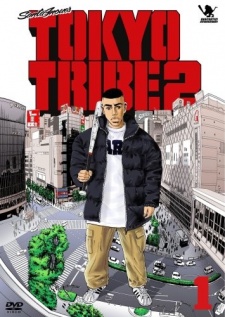
This one drags you through Tokyo by the collar and never bothers to explain the map. Santa Inoue's street art bleeds straight into the frame, all fat lines and graffiti-loud color, and Madhouse scores it like a mixtape instead of an anime OST, so every turf line between Musashino Saru, Wu-Ronz and the Shinjuku Hands lands as rhythm before it lands as plot. The violence is not stylized cool, it is ugly and personal, and Buppa exists purely to remind you how grotesque power gets when nobody can touch it. Mera's grudge against Kai is petty and ancient in the way real neighborhood grudges are, which is exactly why the body count feels so pointless and so inevitable. Tera trying to hold his crew together while the city sharpens itself is the quiet tragedy underneath all the noise. Thirteen episodes, no cleanup crew, no lesson learned.
SYNOPSIS
Tokyo's underground belongs to no government, no corporation, no one but the gangs who claim it. SARU controls Musashino with raw aggression, WU-RONZE runs Bukuro through cunning deals, and HANDS dominates Shinjuku with brutal efficiency. These aren't kingpins in suits ordering hits from penthouse offices. They're young men fighting for territory, respect, and survival in a city that grinds them between its teeth. When the balance of power fractures, the tribes collide. Old allegiances mean nothing. New enemies emerge from unexpected corners. Every street corner becomes a potential battleground, every conversation a negotiation that might end in blood. This isn't a glamorous crime saga. It's gritty, visceral, and unflinching about what life looks like when you're born on the wrong side of Tokyo's divide. The narrative follows the young men caught between loyalty to their crew and their own hunger for something better, something more. Violence erupts without warning. Trust gets tested constantly. What starts as local turf wars spirals into something larger, something that threatens to consume everyone in its path.


