Anime Like Tongari Boushi no Memole: Marielle no Housekibako
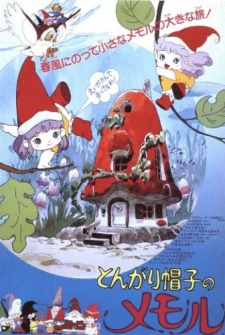
It gets you with the frame, not the fantasy. Marielle is parked in a house high in the mountains between Switzerland and France because her body needs the clean air, and the whole thing arrives as recollection, which means every scene comes pre-tinted with the knowledge that it already ended. Memoru and her people are the least threatening aliens ever put to cel, gnome-sized crash survivors who never got the ship working again and quietly built a life on the island instead. That's the real pairing: two kids stranded, one by a broken spacecraft, one by her own lungs, keeping each other company in the meantime. One episode, 1985, and it treats that as sufficient, because it is. Anyone who sat through the TV run knows what a jewel box is actually for. You open it, and the small bright things are still in there.
SYNOPSIS
Marielle spends her recovery in isolation, tucked away in a mountain home nestled between Switzerland and France. Her quiet days transform when she discovers Memoru, a diminutive alien girl living secretly on a nearby island. Memoru's people are gnome-like creatures stranded on Earth after their spacecraft crashed generations ago, and they've built a hidden civilization away from human eyes. What begins as an unlikely friendship becomes a gateway into wonder. Through Memoru's eyes, Marielle witnesses a world layered beneath her own, where tiny beings navigate survival with resourcefulness and joy despite their circumstances. The two girls share adventures that challenge Marielle's understanding of what's possible, offering her something far more restorative than mountain air alone. As their bond deepens, questions emerge about connection across impossible divides and whether two beings from entirely different worlds can truly understand each other. This story unfolds through memory, suggesting that some friendships leave marks that shape who we become, long after the moments have passed.