Anime Like Toshi Densetsu Monogatari Hikiko
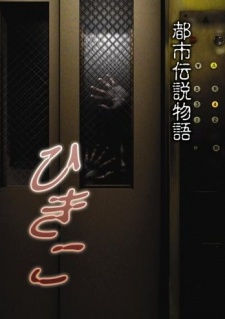
It gets under your skin with a sound more than an image: the drag. Hikiko doesn't chase, doesn't monologue, she takes an elementary schooler by the wrist and hauls them across the floor until there isn't much left, and the OVA is patient enough to let that play out instead of cutting away. The 2008 3D CG works in its favor here, all that stiff, weightless polygon movement makes her look like something that was never supposed to be rendered in the first place. And then the gut punch: her name, Mori Hikiko, reversed reads hikikomori, and suddenly the monster is just a girl her parents and classmates beat into a shape nobody wanted to look at. One episode, no arc, no redemption, just cause and effect. The horror isn't that she kills kids. It's that the kids are the same age she was.
SYNOPSIS
A girl named Hikiko emerges from the shadows of Japanese folklore as pure vengeance incarnate. Scarred by relentless abuse from parents and peers, her grotesque appearance becomes a mirror of the violence carved into her flesh. Now she hunts the very children who tormented people like her, dragging victims across concrete and tile until their bodies surrender to injury and trauma. This isn't a ghost story where justice finds balance. It's a descent into what happens when a child's suffering crystallizes into something that doesn't negotiate or forgive. The film renders everything in CGI, creating an unsettling aesthetic where Hikiko's movements feel wrong, predatory, inhuman. Expect visceral horror stripped of supernatural glamour. There's no redemption arc here, no twist that recontextualizes her actions. Just the raw documentation of how cruelty begets cruelty, and how a name reversed becomes a warning about those who vanish from society entirely. This is horror that refuses to look away from its own darkness.