Anime Like Utsunomiko
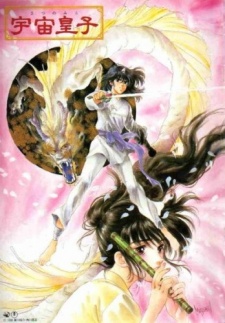
It opens with a mother looking at her newborn's horn, calling him oni, and throwing him away, and that single act sits underneath every frame that follows. The old shugenja woman who picks him up doesn't argue with the world, she reframes him: that horn is where heaven and earth meet. So Miko grows up in the mountains on Shugendo discipline instead of resentment, and when curiosity finally walks him down into the villages, he learns what a civil war actually leaves behind for people with no name and no sword. This is 8th-century Japan as yamabushi austerity and warlord wreckage, not the glossy mythic Japan the late-80s boom usually served up. The real trick is that it refuses to make him either a monster or a messiah. He's a kid with a horn who keeps walking toward the people who are hurting.
SYNOPSIS
During Japan's bloodiest civil war, a boy with a horn marking his forehead is born to a mother who sees him as cursed. A wandering shugenja rescues him and raises the child as Utsunomiko, teaching him that his unusual mark represents a bridge between the heavens and earth. Years pass as Miko masters spiritual disciplines in isolation, but curiosity drives him toward civilization. What he finds shatters his peaceful existence: villages trapped in hunger and despair, their suffering inflicted by rulers obsessed with power and status. Miko's gifts allow him to ease their pain, yet every act of kindness only deepens his rage against those responsible. When compassion becomes defiance, when helping the powerless means challenging the Imperial Court itself, Utsunomiko discovers that his true calling demands something far more dangerous than magic. His path forward will demand sacrifice, and the heavens and earth may not remain balanced for long.