Anime Like Viper's Creed
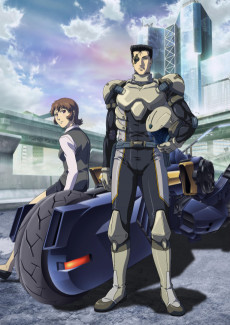
It makes you sit with the ugly part of mecha fiction: somebody signs the contract, somebody gets paid, and the ruined world stays ruined. This is a private military company working the ground the regular army resents them for holding, and that friction, corporate guns versus uniformed pride, does more dramatic work than most shows get out of a villain. The war already happened and it wrecked the environment, so the sci-fi here isn't spectacle, it's cleanup labor with racial tension and immigration politics baked into who gets to live where. Reviewers keep calling out the animation for good reason: the action sequences are where the budget lives, clean and heavy in a way 2009 TV mecha rarely managed. Be honest about the front end, it takes a few episodes to grab you, and the premise itself isn't reinventing anything. Stick with it and the plot turns start landing, and twelve episodes later you'll be annoyed nobody talks about this one."}
SYNOPSIS
A private military company operates in the shadow of a war-torn world where environmental collapse has redrawn the boundaries between nations and survival. The soldiers here pilot advanced mechas, taking contracts that the official military won't touch, operating in the gray spaces where profit meets necessity. Tension simmers constantly between the PMC operatives and the regular armed forces, each viewing the other with suspicion and resentment. The military resents the PMC's freedom and firepower. The PMC sees the military as bureaucratic and ineffective. As assignments pile up and objectives blur the line between righteous defense and questionable morality, the unit faces the hard truth: in a world this broken, staying loyal to a paycheck might be easier than staying loyal to what's right. The mechas roar to life regularly, but the real conflict runs deeper than any battlefield engagement.