Anime Like Yasashii Lion
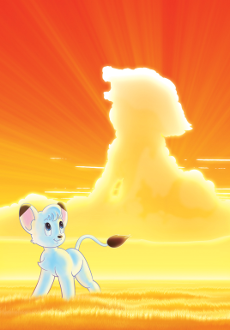
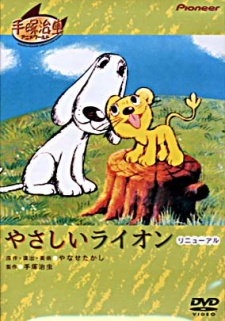
It works on you quietly. Two animals with the same hole in them, a mother dog named Muku-muku who lost her puppy and a lion cub named Buru-buru who lost his mother, and the film just lets them fill it for each other without a single line of speech explaining why that should be allowed. Yanase Takashi's picture book art comes through in the shapes, soft and round and closer to something you'd read at bedtime than anything Mushi Pro was pushing in 1970, and Tezuka built it as a musical so the singing carries the weight dialogue usually would. Nothing here is in a hurry. The slowness is the whole point, and if you rush it you get nothing. It's also the one Tezuka planned as a full series and never finished, so what you're watching is a beautiful thing that stopped, which is its own kind of ache.
SYNOPSIS
A grieving mother dog named Muku-muku wanders the savanna searching for her lost puppy when she encounters Buru-buru, a young lion cub equally devastated by the absence of her mother. Despite their differences as natural predator and prey, the two form an unexpected bond rooted in shared loneliness and maternal instinct. As Muku-muku cares for the vulnerable lion cub, she discovers purpose in mothering again, while Buru-buru finds comfort and security in the dog's gentle presence. Their relationship becomes a tender meditation on loss, belonging, and the ways grief can bridge unlikely connections. The film balances moments of warmth and playfulness with underlying melancholy, capturing the raw emotional landscape of two creatures learning to survive their sorrow together. Rather than offering easy answers, the story simply sits with the reality of their circumstances: two beings finding solace in each other when the world has taken what they cherish most. This is a quietly moving fairy tale about healing through companionship, told with the gentle wisdom of a picture book brought to animated life.