Anime Like Gon
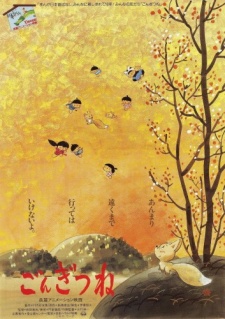
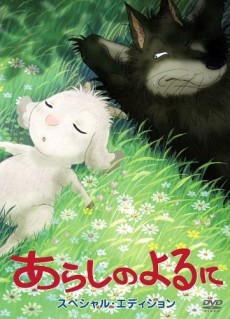
It works on you quietly, then it guts you. Anyone who met Gongitsune in a Japanese classroom already knows how it ends, and knowing does not help one bit: the chestnuts left silently at the door, the funeral procession, the gun, the question asked one second too late. This version takes Niimi Nankichi's fable and stretches the silence around it, layering in its own interpretation while keeping the thesis intact, that the wall between man and beast is not something either side can climb, and that kindness delivered anonymously never quite becomes language. There is no spectacle to hide behind here. Just woodland near a village, small lives moving through weather and undergrowth, and a film patient enough to let you sit in it. Short runtime, and yet you will be thinking about a fox nodding yes for days.
SYNOPSIS
A small fox named Gon navigates the boundary between the wild forest and human civilization, caught in the delicate space where two worlds cannot quite meet. Living among the dense woodland near a Japanese village, Gon encounters the creatures and humans who share this fragile land, each struggling with their own survival and purpose. Through quiet moments and unexpected connections, the film asks whether understanding can bridge what nature and instinct keep separate. The story unfolds with a melancholic beauty, finding tenderness in small interactions rather than grand adventure. Rather than conflict, the tension comes from the simple fact of existing in two places at once, belonging fully to neither. The natural world becomes both character and canvas, where every creature, no matter how small, carries weight and dignity. This is contemplative storytelling that rewards patience. If you're drawn to narratives about coexistence, the unspoken bonds between different beings, and the bittersweet reality of nature's indifference, Gon offers something quiet and profound. It's the kind of film that stays with you long after it ends.