Anime Like Michi
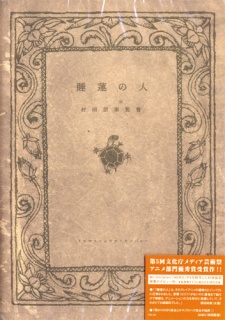
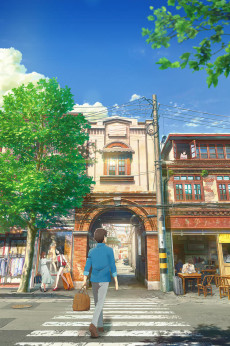
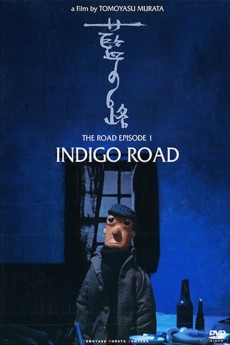
This one doesn't grab you, it waits for you. Four short films across six years, Scarlet Road, White Road, Indigo Road, and Lemon Road, each named for a color that does more thematic work than most shows manage with a full cour of dialogue. There's no spectacle here and no plot machinery to hide behind. Meaning arrives through motif, a held expression, a cut in a montage, and a score that carries scenes other anime would need a monologue to explain. First watch you feel something and can't name it. Second watch you catch the repeated image and realize the whole thing has been about grief the entire time. It's slept on because it asks for patience instead of demanding attention, and the people who found it don't shut up about it for a reason.
SYNOPSIS
Four separate journeys unfold across these connected stories, each one a quiet reckoning with absence. A woman returns to familiar streets carrying the weight of someone no longer there. Another confronts the space between memory and reality as seasons change around her. A third moves through everyday moments that suddenly feel hollow. The final traveler walks paths that once meant something different, shaped by time and loss. These aren't narratives that rush toward resolution. Instead, they accumulate meaning through small gestures, the way light falls, how characters pause in doorways or stare at objects left behind. A single song might circle back three times, each repetition adding new emotional texture. Faces register grief in subtle shifts rather than dramatic outbursts. The rhythm matches the pace of actual mourning: sometimes mundane, sometimes suffocating, rarely neat. You'll need to sit with these pieces more than once. Meaning hides in the spaces between dialogue, in what remains unspoken. If you connect with stories about how people carry forward after loss, about the poetry hidden in ordinary routines, this series rewards your attention.