Anime Like I Am a Motif
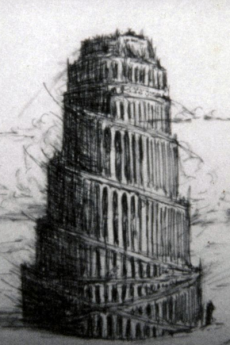
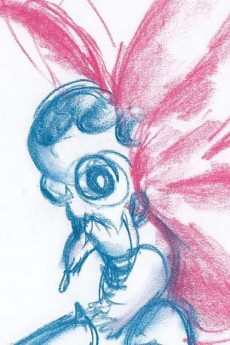
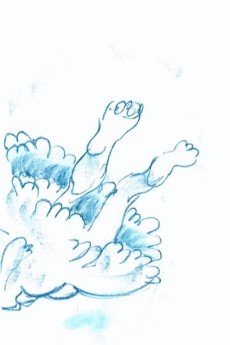
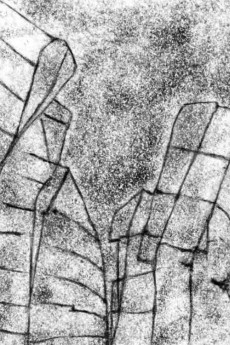
This one rewires how you watch a frame. It takes a Bach fugue and asks whether a shape on screen, a phrase of music, and a beat of story are all secretly the same thing wearing different clothes, then builds the whole film out of that argument. Three Motifs, each unable to recognize itself in the others, each nagged by the same doubt: the music motif can't resist the pull of the melody and dances, and the rest come chasing after. No spectacle, no raised voice, just counterpoint doing the emotional labor that dialogue usually does. Second watch is where it detonates, because once you know the subject you start hearing the answer in the visuals and seeing the fugue in the cuts. Geidai student work that most people scrolled past, and the ones who didn't never shut up about it.
SYNOPSIS
Three distinct beings share a common name: Motif. Each possesses fundamental differences, yet all wrestle with the same paralyzing question about their own nature. When a musical composition begins to flow, one cannot help but respond, drawn to dance and rhythm like an instinct. The others follow, caught in the same invisible current. But does following make them the same? Are they truly individual, or merely variations of a single concept? This experimental film treats identity as a musical problem. Bach's fugal structure becomes the framework for examining how similarity and difference coexist, how patterns echo across music, visual form, and narrative itself. What emerges is less about answering who "I" am and more about the vertigo of self-recognition when multiplicity seems infinite. The experience demands patience and openness to abstraction. Those drawn to art that questions its own medium, that refuses easy answers about consciousness and selfhood, will find something rare here. It's philosophical without being pretentious, visual without being decorative.