Anime Like Junod
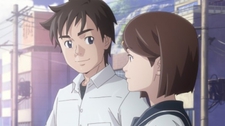
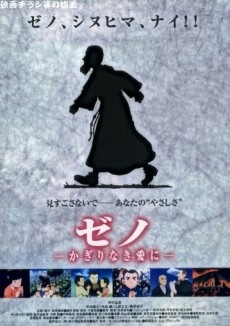
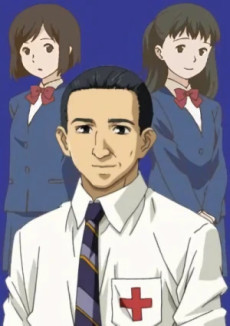
It starts with the most quietly devastating premise in the park: two girls on a school trip stop at a monument nobody else is looking at, and have to ask who this man was. Mii and Yuko get pulled back to 1935, and instead of spectacle you get a young hospital doctor from Mulhouse accepting an ICRC posting to Ethiopia, which is exactly how real courage actually starts, as a paperwork decision. There is no soaring score telling you to feel things, no dramatic camera pushes, just a man saying yes to the next terrible place. That restraint is the whole trick, because when the weight lands you have nothing to brace against. It respects Marcel Junod enough not to turn him into a hero cartoon, and it respects you enough to let the monument stay small in the corner. Then you look him up afterward, which is the point.
SYNOPSIS
Two junior high students, Mii and Yuko, stumble upon a forgotten monument in Hiroshima's peace park and become curious about the man it honors. A sudden burst of light transports them across decades and continents to 1935 Europe, where they meet Dr. Marcel Junod, a young Swiss physician answering the call to serve as a Red Cross delegate in war-torn Ethiopia. What begins as historical curiosity transforms into something far heavier. Mii and Yuko follow Junod into the brutal realities of modern conflict: poison gas attacks, wounded civilians, and the systematic destruction of humanitarian efforts. They watch a idealistic doctor confront atrocities that test the limits of compassion and resolve. The film anchors its historical weight in the perspective of ordinary people witnessing extraordinary suffering. Rather than distance us through grand narratives, it keeps us close to Junod's internal struggle: how does one maintain faith in humanity when humanity keeps breaking it? The film carries the quiet intensity of someone learning that bearing witness to tragedy is itself an act of resistance.