Anime Like Maternal Awakening
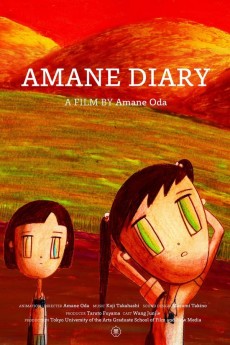
This one gets under your ribs by refusing to raise its voice. It starts on an ordinary walk to junior high, the moment the narrator's maternal instinct switches on uninvited, and then it just sits with that for ten years, turning the feeling over like a stone. Virgin birth, genes, pregnancy: the film treats them less as topics than as suspects, interrogating whether the urge was ever really about motherhood at all. It's a Geidai short, so there's no spectacle to hide behind, just a voice thinking out loud and images built to keep pace with it, which is exactly why some viewers bail in the first few minutes and others never shake it. The people who love it love it because it names something they'd carried around for years without a word for it.
SYNOPSIS
A woman wakes up to an overwhelming biological pull toward motherhood just as she enters her teens, a force so powerful it dominates her life for the next decade. But as years pass and she remains trapped by these instincts, she begins questioning whether what she feels is genuine maternal desire or something else entirely. Driven by this uncertainty, she embarks on a deeply personal investigation into the nature of motherhood itself, examining genetics, biology, and the expectations society places on women. The film moves between past and present, threading together intimate moments of self-discovery with broader questions about identity and choice. Its tone balances psychological tension with quiet, everyday scenes that ground the abstract themes in lived experience. The pacing is meditative rather than urgent, inviting reflection on how our bodies and minds can lead us in directions we never chose. This is for viewers drawn to introspective narratives that challenge conventional understandings of what it means to be a woman, told through a distinctly personal lens that refuses easy answers.