Anime Like The Book of the Dead
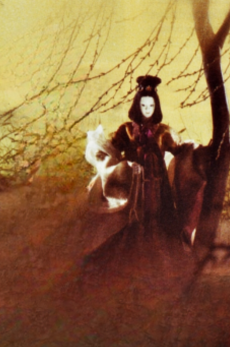
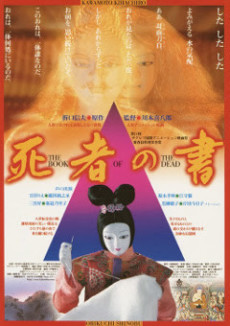
This one slows your pulse down until you notice your own breathing. Kihachiro Kawamoto carves faces that barely move, so when Iratsume finally turns her head or Prince Otsu's ghost pulls itself back together out of the dark, the smallest gesture lands like a gong. It is Nara-period Japan rendered in cloth and wood and candlelight, and the film trusts you to sit with long silences, rain on a temple roof, a woman copying sutras until the brush becomes a trance. Then the ending arrives, all lotus thread and woven color, and the thing you thought was a quiet ghost story turns out to be about grief finding a shape it can live in. No spectacle, no swelling score telling you when to feel. Just a puppet's still face and the sun going down behind the mountain, and you sitting there wrecked by it.
SYNOPSIS
A young noblewoman named Iratsume slips into an inexplicable trance while transcribing sacred Buddhist texts. Her body moves of its own accord, carrying her toward a forbidden temple where women have no right to venture. When she crosses that threshold, she awakens something that has waited centuries to be disturbed: the restless spirit of Prince Otsu, executed long ago and trapped between worlds. The ghost mistakes Iratsume for someone from his past, a woman whose face was the last thing he saw before death claimed him. That image has haunted him ever since, binding him to this place and preventing his soul from finding peace. Now Otsu's obsession with this beautiful stranger from his final moments threatens to pull Iratsume deeper into the supernatural realm. What begins as one woman's mysterious compulsion becomes a collision between the living and the dead, where the past refuses to stay buried and a ghost's longing could cost a life. The film weaves Japanese history, Buddhist spirituality, and gothic atmosphere into a haunting meditation on memory and the price of being remembered.