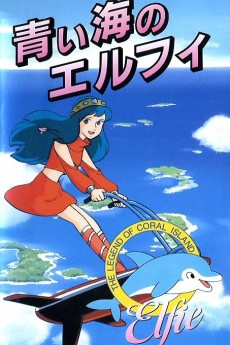
Anime Like Sango-shou Densetsu: Aoi Umi no Elfie
It sneaks up on you. Forty-odd minutes of a drowned world, a kid, and her grandfather, and then a final scene that reviewers admit they still carry around decades later. The setup is simple enough for an eight-year-old: oceans swallowed the continents, Elfie's city-island is one of the last scraps of land, and one underwater accident tells her she was never fully human to begin with. What makes it stick is what the adults do next, politicians farming the city's fear of the sea-people into an actual war because a monster is easier to sell than an apology for the flood. The 1986 animation is plain and the plot never gets clever, and honestly that's fine. It knows exactly which moment to spend everything on, and it spends it on Elfie choosing which world she belongs to.
SYNOPSIS
Humanity's carelessness has drowned the world. Rising seas consumed every continent, leaving only scattered islands where desperate survivors cling to existence. Elfie lives peacefully on one such island with her grandfather, unaware of the truth buried in her own blood. When a chance underwater encounter awakens something dormant inside her, she discovers she can breathe in the depths. Her grandfather's confession follows: she's descended from the sea-people, an ancient civilization that retreated into the oceans generations ago. But this revelation arrives at a dangerous moment. Resources dwindle on the island, and fear spreads like poison. Politicians hungry for power weaponize ignorance, transforming the discovery of the sea-people into a convenient enemy. War becomes their solution to distraction and control. Caught between two worlds, Elfie watches her island descend into conflict over creatures most citizens will never see. Her choice becomes impossible: deny her heritage to save her home, or embrace what she is and risk everything.