Anime Like The Grimm Variations
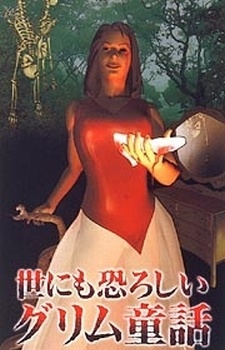
It takes a story you've known since you were five and quietly reveals the rot underneath, then does it five more times before you can catch your breath. Charlotte's question to her brothers, do you suppose they really lived happily ever after, is the whole thesis, and every episode answers it differently and none of the answers are comforting. CLAMP's character designs give Wit Studio's frames that elegant, elongated menace, all beautiful people doing unbeautiful things, and the anthology format means each entry gets to pick its own genre: one plays as class-warfare thriller, another as sci-fi, another as a slow psychological knife. Cinderella opens the whole thing by turning the glass slipper into something you don't want to look at directly. Six episodes, no fat, and the ones that land emotionally land far harder than a fairy tale remix has any right to. You will finish it and immediately want to argue with someone about which variation was cruelest.
SYNOPSIS
Jacob and Wilhelm Grimm spent their lives collecting fairy tales, but their younger sister Charlotte saw something they missed. Where her brothers found timeless stories of good and evil, Charlotte asked harder questions: what happens after "happily ever after"? What did the characters really feel? Now her reinterpretations come to life, dark and strange, pulling classic tales apart to expose the psychological wounds underneath. A princess's tower becomes a prison of her own making. A hunter's victory tastes like something rotten. Each story bends into new shapes, revealing how the same events look completely different depending on who's telling them. This is six episodes of fairytales stripped of their comfort, where Charlotte's melancholy gaze transforms familiar narratives into something unsettling and real. For viewers who've always sensed something off about those neat, simple endings, this is where those doubts finally take shape. These aren't the stories you thought you knew.